Furnace Maintenance & Tune-Up in North Central Florida
Is your furnace acting up with strange smells or noises? We provide expert tune-ups to restore efficiency and prevent costly breakdowns.
Scott Niehaus AC performs single-visit furnace tune-ups that clean, inspect, and calibrate heating systems for homeowners in Alachua and Gilchrist counties. Call (352) 332-9247, Monday-Friday 8 AM-5 PM, to schedule your visit.
What do furnace odors, short-cycling, and efficiency drops mean?
A lingering burning dust smell, short-cycling, and rising utility bills mean your furnace is struggling with internal friction or dirty sensors, and ignoring them leads to a sudden mechanical breakdown.
Is your furnace emitting a lingering burning dust smell, short-cycling before the house gets warm, or inexplicably driving up your monthly utility bills? These are clear indicators that your heating system is struggling with internal friction or dirty sensors, and ignoring them will inevitably lead to a sudden mechanical breakdown. The EPA-certified technicians at Scott Niehaus Air Conditioning & Heating are ready to deeply clean, inspect, and calibrate your system to restore its efficiency.
What are the warning signs your furnace needs maintenance?
Warning signs your furnace needs maintenance include persistent burning odors on startup, short cycling and frequent shutoffs, a yellow or flickering burner flame, unexplained utility bill spikes, and banging, whining, or rattling noises.
Persistent Burning Odors on Startup
A brief dusty smell is normal when a furnace kicks on after sitting idle, but an odor that persists means heavy debris has caked onto the burners or heat exchanger. Ignoring this buildup acts as an insulating blanket on your heat exchanger, forcing the furnace to run hotter and longer to transfer heat. If you notice an acrid, metallic, or electrical burning smell, you are dealing with a melting capacitor or fraying wiring that requires immediate professional attention.Short Cycling and Frequent Shutoffs
You hear the furnace kick on, run for just a minute or two, and shut off well before the house reaches the temperature set on the thermostat. This constant on-and-off loop is usually caused by a dirty flame sensor or a system that is actively overheating due to severely restricted airflow. The furnace's internal high-limit safety switches are tripping to prevent a catastrophic failure, putting massive mechanical strain on the ignition system and blower motor.A Yellow or Flickering Burner Flame
If you look into the burner access panel and see a lazy, flickering, or yellow flame instead of a crisp blue one, your furnace is dealing with incomplete combustion. The burners are likely clogged with soot, dust, or rust flakes, preventing the proper precise mixture of gas and oxygen required for clean operation. This is a serious safety hazard that produces high levels of carbon monoxide, requiring a professional tune-up to clean the burner ports and ensure proper venting.Unexplained Utility Bill Spikes
Your heating habits have not changed, but your monthly energy or gas bill is noticeably higher than it was during similar usage periods in the past. Mechanically, this means the furnace has lost its baseline operational efficiency due to friction in unlubricated moving parts, restricted airflow, or poorly calibrated burners. You are essentially paying for neglected maintenance through your monthly utility invoices, making a comprehensive tune-up a cost-effective way to restore performance.Banging, Whining, or Rattling Noises
A healthy furnace should operate with a steady, predictable hum, not a symphony of metallic grinding, loud bangs, or high-pitched squeals when it starts up. A loud bang usually indicates delayed gas ignition, a squeal points to failing motor bearings, and rattling means loose panels or an unbalanced blower wheel. Ignoring these mechanical sounds will not make them go away; it will only ensure that a minor calibration issue turns into a shattered blower wheel or a cracked heat exchanger.Why does furnace performance drop off?
Furnace performance drops off because of off-season humidity and dust buildup, airflow restrictions from neglected filters, carbon buildup on the flame sensor, and friction and wear on moving parts.
Off-Season Humidity and Dust Buildup
In North Central Florida, heating systems sit idle for long stretches of the year while ambient humidity and normal household dust settle deep inside the cabinet. This combination forms a microscopic crust over the flame sensor and surface rust on internal heating components, preventing the system from igniting smoothly. We carefully scrub the flame sensor and brush the burners to clear away the corrosion that built up during the extended downtime.Airflow Restrictions from Neglected Filters
When an air filter becomes a solid wall of dirt and debris, the blower motor has to work overtime to pull return air through the restrictive barrier. This intense static pressure starves the motor of air, causing it to overheat, degrade its internal wiring, and dramatically shorten the life of its starting capacitor. During a tune-up, we meticulously inspect the blower assembly and test the motor's electrical draw to identify heat damage caused by restricted airflow.Carbon Buildup on the Flame Sensor
The flame sensor is a tiny metal rod that sits in the direct path of the burner flame, and over months of operation, the combustion process leaves a microscopic layer of carbon on it. Once coated, the sensor can no longer detect the electrical current of the flame, prompting the control board to shut off the gas valve as a safety precaution. Cleaning this sensor with specialized abrasive pads is a mandatory step to keep the system running safely without unexpected lockouts.Friction and Wear on Moving Parts
Blower motors, inducer draft motors, and bearings are subjected to thousands of hours of intense rotational stress, causing their factory lubrication to dry up over time. This increases mechanical friction, which in turn increases the electrical amp draw and heat generation within the motors. A professional tune-up includes testing the amp draw on all motors and inspecting the capacitors that help them start, identifying worn components before the motor seizes up completely.What happens during a furnace tune-up?
A furnace tune-up starts with your concerns, then tests the safety controls, including the high-limit and rollout switches, calibrates the thermostat, and measures the temperature rise across the heat exchanger.
Since 1994, homeowners have trusted our owner-operated business to deliver a comprehensive deep-dive inspection and cleaning of their entire heating mechanism. When you schedule a furnace tune-up with Scott Niehaus Air Conditioning & Heating, we start by listening to your specific concerns about cold spots, odd noises, or thermostat glitches. We then open the cabinet to test the safety controls, including the high-limit switch and rollout switches, ensuring the furnace will shut down properly in an emergency.
Finally, we calibrate your thermostat and measure the temperature rise across the heat exchanger to verify the system is delivering exactly the amount of heat it was designed to produce. Before we leave, we give you a blunt, honest assessment of your furnace's health. You will know exactly what condition your equipment is in and what to expect from it moving forward.
Furnace Maintenance & Tune-Up Coverage Across North Central Florida
Because heating systems in our region sit idle for long periods before facing sudden operational demands, localized expertise is crucial to keeping them running safely. Our technicians are prepared to service furnaces across the region.
Communities We Serve: Gainesville, FL, Newberry, FL, Alachua, FL, High Springs, FL, Archer, FL, Jonesville, FL, Waldo, FL, Hague, FL, Trenton, FL, Worthington Springs, FL, Williston, FL
What if a furnace tune-up uncovers a problem?
During a routine tune-up, our technicians occasionally uncover a failing component that requires an immediate transition into furnace repair to keep your system running safely. Alternatively, if we discover severe safety hazards like a cracked heat exchanger or a system too degraded to operate efficiently, we will walk you through your options for a complete furnace installation and replacement.
Protect Your Home and Your Wallet
Do not wait for your system to start short-cycling or blowing cold air when you need it most. Reach out to our team today to schedule your comprehensive furnace tune-up and keep your heating equipment running at peak performance.
From our job sites
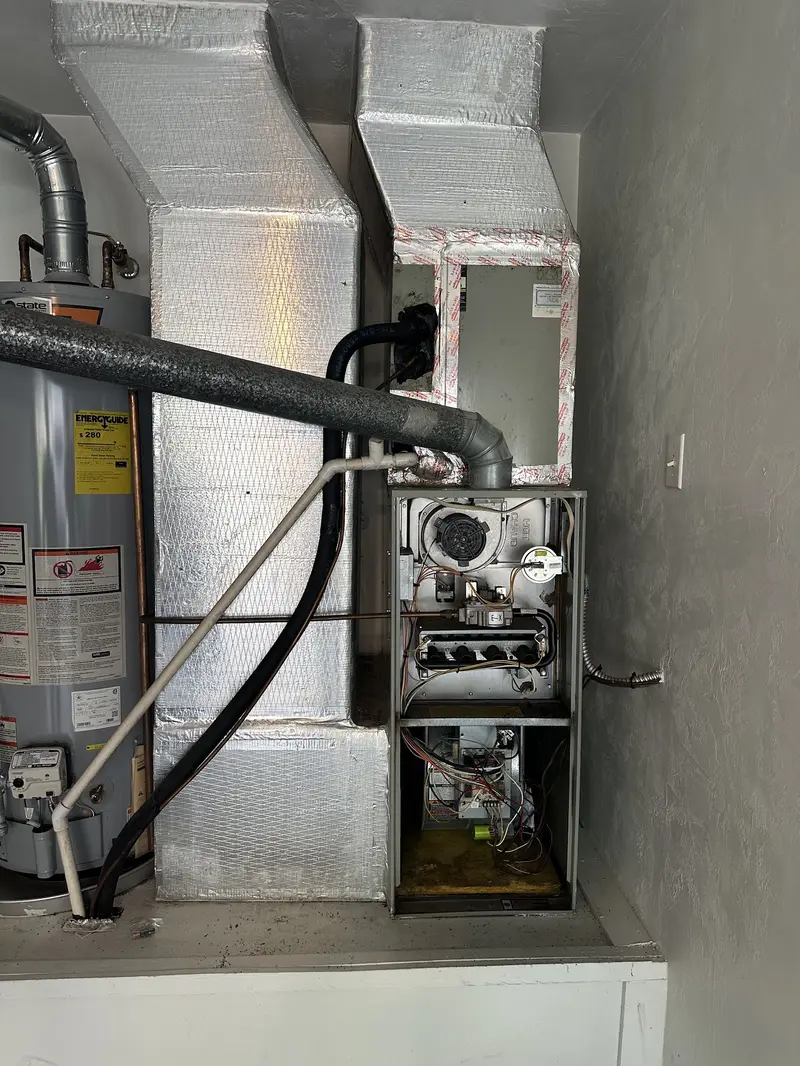
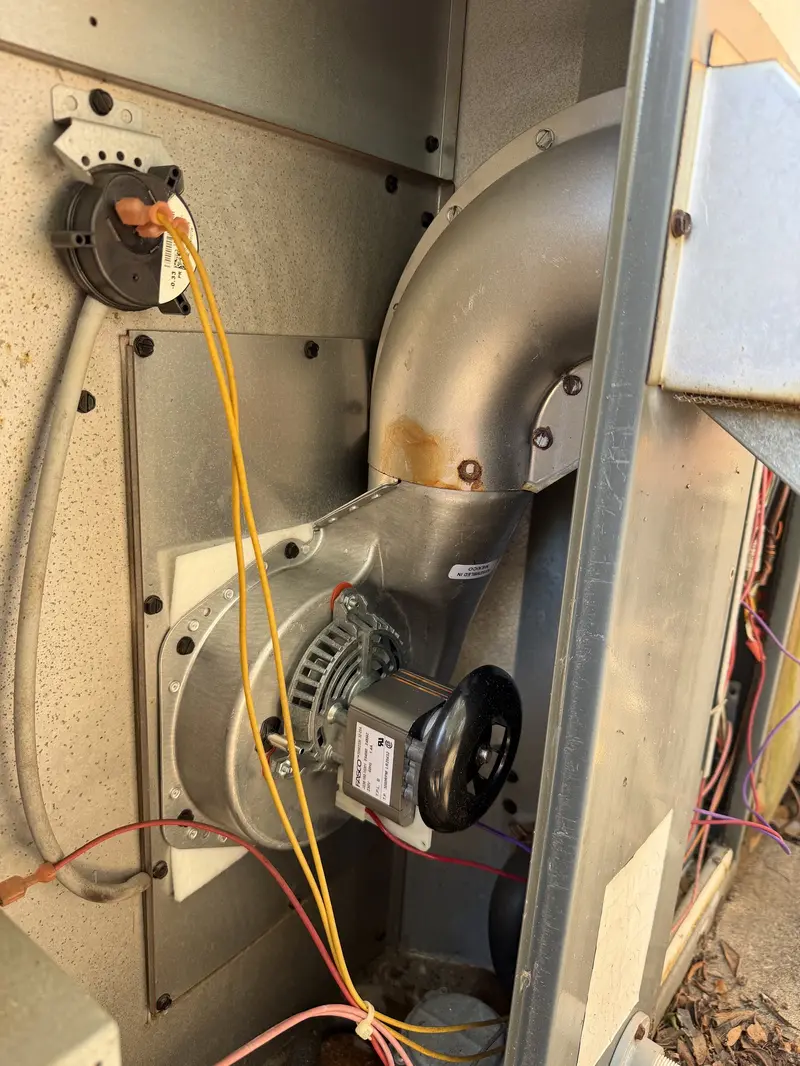
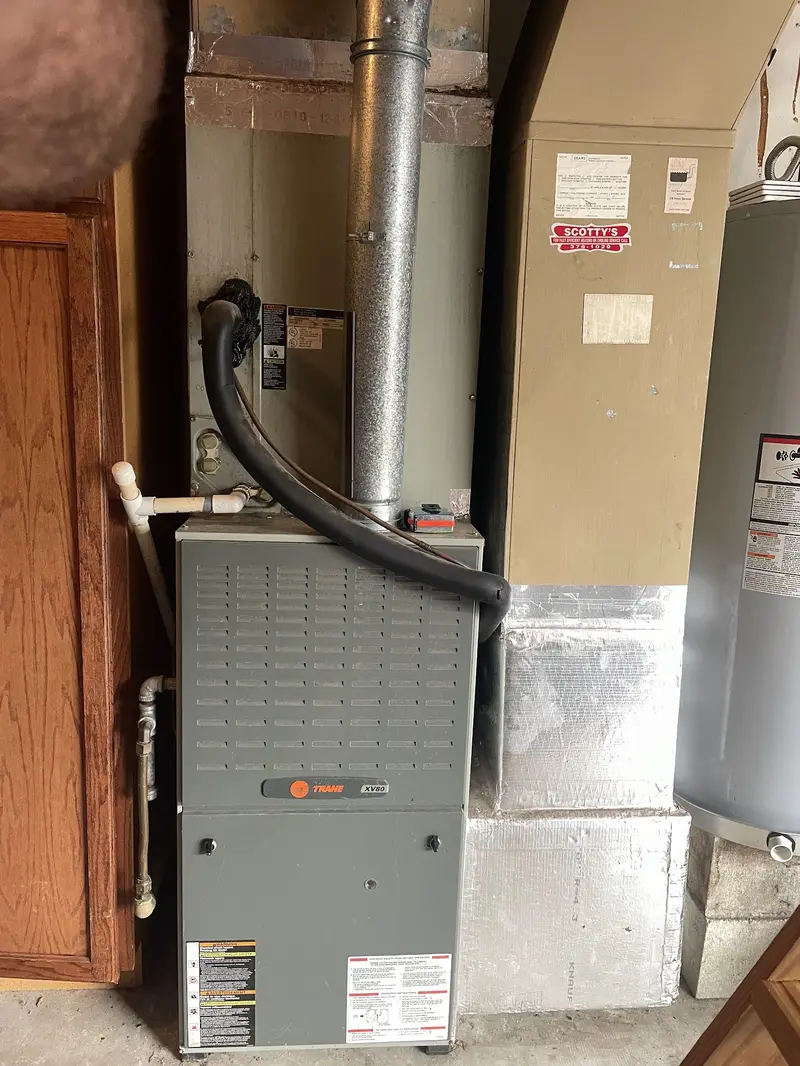
Furnace service from our job sites
Request Service
Tell us what's going on
Free estimates on system replacements. Repairs start with a $125 diagnostic.